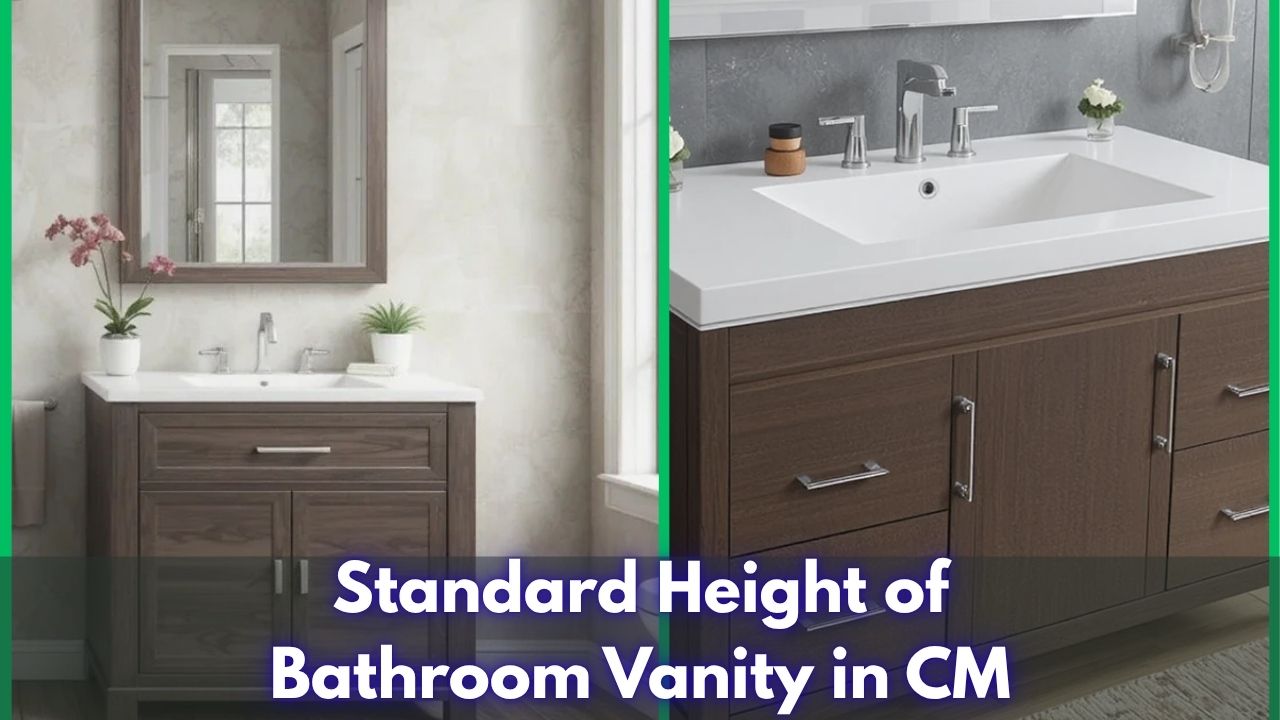
Let’s be honest—choosing the right bathroom vanity height sounds boring… until your back starts hurting every morning 😅.
I learned this the hard way. I once installed a vanity that looked stunning in photos but felt like I was brushing my teeth at a kid’s sink. Not fun.
So yeah, height matters—a lot more than people think. And if you’re here, you probably want to get it right the first time. Good call.
Let’s break it all down in a simple, no-BS way.
What Is the Standard Height of a bathroom vanity in CM?
Here’s the quick answer you came for:
👉 The standard height of a bathroom vanity is 80–85 cm
That range works for most adults and fits modern bathroom designs perfectly.
But wait… is “standard” always right for you? Not necessarily.
Why 80–85 cm Became the Standard
- It aligns with average human height
- It offers comfortable hand positioning while washing
- It reduces back strain
- It works well with most sink types
Still, I’ve seen people blindly follow this and regret it later. Why? Because “standard” doesn’t mean “perfect for everyone.”
Ever bent down awkwardly just to wash your face? Yeah, that’s exactly what we’re avoiding here.
Comfort Height vs Standard Height (Yes, There’s a Difference)
You’ll often hear the term “comfort height vanity.” Sounds fancy, right?
Comfort Height Vanity
👉 Height: 85–90 cm
This option feels more natural for taller people.
Standard Height Vanity
👉 Height: 80–85 cm
This works for average users and remains the most common.
My Honest Take (IMO)
If you’re above 5’8″ (173 cm), go for comfort height.
If you’re shorter or designing for family use, stick with standard height.
Simple.
How to Choose the Right Vanity Height (Without Guessing)
Let’s not play roulette with your bathroom design.
Ask Yourself These Questions
- Who will use this vanity daily?
- What’s their average height?
- Do kids use this bathroom?
- Do you prefer standing straight or leaning slightly?
Quick Height Guide
- Under 160 cm → 75–80 cm vanity
- 160–175 cm → 80–85 cm vanity
- 175+ cm → 85–90 cm vanity
See how that works? No overthinking needed.
Different Vanity Types and Their Ideal Heights
Not all vanities follow the same rules. Let’s break them down.
1. Wall-Mounted (Floating) Vanity
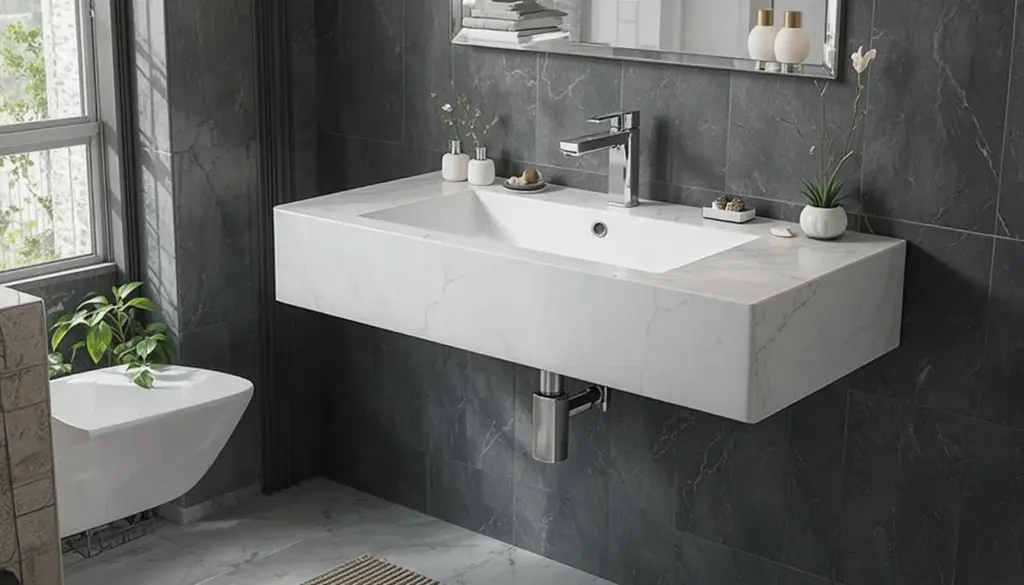
- Recommended height: 85–90 cm
- Why? You can customize installation height easily
Honestly, I love these. They give your bathroom that modern, airy vibe.
Plus, you can tweak the height exactly how you want. No compromises.
2. Freestanding Vanity
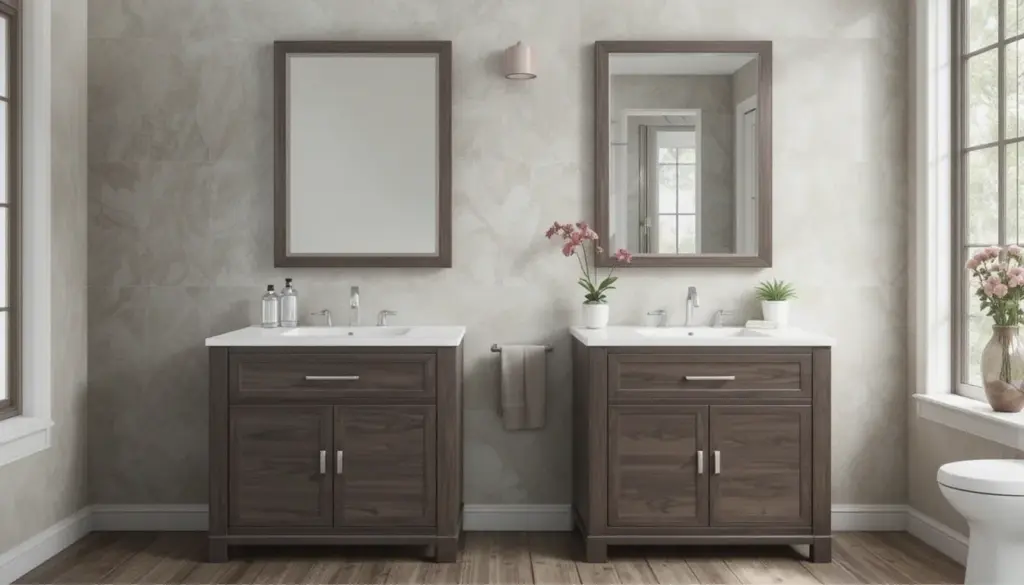
- Standard height: 80–85 cm
- Fixed structure = less flexibility
These look classic and work in most homes. But yeah… you don’t get much control over height.
Shop on amazon :
3. Vessel Sink Vanity
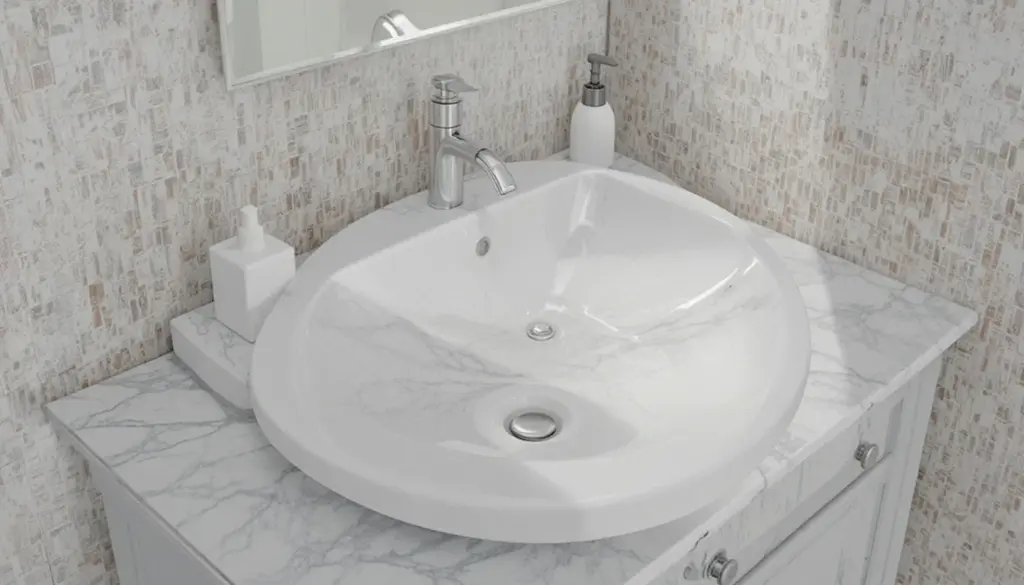
- Base height: 70–75 cm
- Total height with sink: 85–90 cm
Here’s where people mess up.
They forget the sink sits on top. So if you install a standard 85 cm base… boom, your sink ends up way too high.
Ever tried washing your face at chest level? Exactly.
4. Undermount Sink Vanity
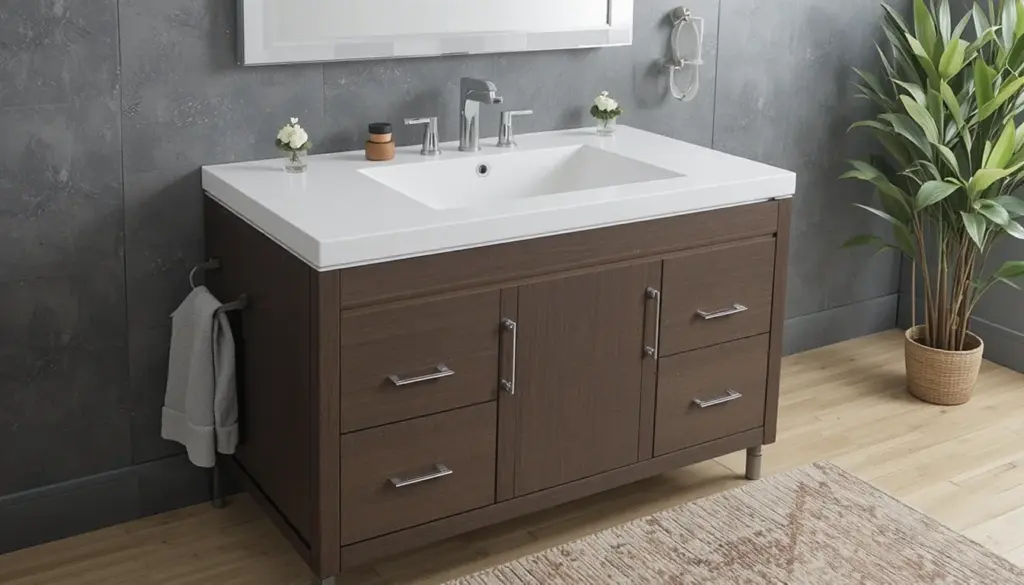
- Total height: 80–85 cm
Clean, sleek, and practical.
This setup keeps everything within standard range without surprises.
Standard Vanity Height in CM for Different Users
Let’s get practical.
For Kids
- Ideal height: 50–65 cm
Or just use a step stool. Kids grow fast, your vanity shouldn’t need replacing every year.
For Elderly Users
- Ideal height: 85–90 cm
Higher vanities reduce bending, which makes daily use much easier.
For Wheelchair Accessibility
- Height: 75–80 cm
- Knee clearance required
Accessibility design matters. Always prioritize comfort and reachability.
Common Mistakes People Make (Don’t Be That Person)
I’ve seen some… interesting choices over the years.
1. Ignoring Sink Height
People calculate vanity height but forget the sink adds extra cm.
Result? Awkward usage every single day.
2. Copying Pinterest Designs Blindly
Looks amazing online. Feels terrible in real life.
Design isn’t just about looks—it’s about daily comfort.
3. Not Considering Users
Designing for guests instead of yourself? Why?
You use this space daily. Prioritize your comfort.
4. Choosing Style Over Ergonomics
Yes, that ultra-low vanity looks cool.
No, your spine won’t agree after a week.
Another amazing ideas:
Vanity Height vs Mirror Height (Important Combo)
Let’s fix another common issue.
Mirror Placement Rule
- Mirror center: at eye level (~150–160 cm from floor)
If your vanity height changes, your mirror position must adjust too.
Otherwise, you’ll either:
- Stare at your forehead
- Or bend like you’re inspecting the floor
Neither sounds fun, right?
Plumbing Considerations You Shouldn’t Ignore
Okay, quick reality check.
Changing vanity height affects plumbing.
Things to Keep in Mind
- Drain pipe alignment
- Water supply lines
- Wall outlet placement
If you plan a major change, talk to a plumber first.
Trust me, breaking tiles twice hurts—financially and emotionally :/
Modern Trends in Vanity Heights (2026 Update)
Design trends evolve, and vanity heights follow.
What’s Trending Now?
- Floating vanities at 88–92 cm
- Minimalist designs with clean lines
- Custom height installations
People now focus more on comfort + personalization, not just standard rules.
And honestly? That’s a good shift.
Double Sink Vanity Height Guide
Got a shared bathroom? Let’s talk double vanities.
Standard Height
👉 80–85 cm
But Here’s the Trick
If two users have different heights:
- Choose a middle-ground height (~85 cm)
- Or go custom (if budget allows)
Otherwise, one person stays happy… and the other complains daily. You don’t want that.
Quick Cheat Sheet (Save This)
If you remember nothing else, remember this:
- Standard height: 80–85 cm
- Comfort height: 85–90 cm
- Vessel sink base: 70–75 cm
- Kids vanity: 50–65 cm
- Accessible vanity: 75–80 cm
Simple. Clean. Done.
My Personal Recommendation
If I had to pick one safe option for most homes?
👉 Go with 85 cm total height
It hits the sweet spot between comfort and usability.
I’ve used it in multiple projects, and honestly, it rarely disappoints.
Final Thoughts
Choosing the right vanity height isn’t complicated… but ignoring it creates daily frustration.
You don’t notice a good height—but you definitely notice a bad one.
So take a few minutes, measure properly, and think about who uses the space.
Because at the end of the day, your bathroom should work for you, not against you.
And hey—next time you brush your teeth comfortably without bending like a question mark… you’ll thank yourself 🙂